Facebook
 X
X
 Pinterest
 Copy Link
Cleaning Up Your Home

 Now that your home has been cleared, it now needs to be clean. This is not to say that your home isn’t “clean” right now. Most lived-in homes are “clean.” But if you want buyers to see yours as a “model home,” it needs to be as immaculate as a new car out of the showroom. It’s that simple – spotless homes sell in competitive markets, and average homes do not. So either do it yourself or hire a service, but the house needs to be clean if it’s going to sell. The good news is that maintaining that clean look is not that difficult once the harder process of doing the initially rigorous cleaning is done.
Here is a simple list of suggestions for making sure that you, or someone you hire, cleans the house to a “model home” shine. Some of these suggestions include items that would not occur to most people (like cleaning light switches), and some include cleaning products or methods we recommend:
General Interior
•Clean and deodorize all the carpets.
•Clean smudges off walls using the “Magic Eraser” (you can buy it in hardware stores).
•Clean the windows inside and out (if possible).
•Wipe down window sills.
•Dust all window treatments.
•Wipe down and dust the light fixtures.
•Turn off lights and clean bulbs.
•Wipe down all railings.
•Clean all light switches.
Bathrooms and Kitchen
•Bleach out toilet stains.
•Scrub out any mildew in tubs.
•Clean off deposits on shower heads by soaking in vinegar (it works!).
•Clean all the surfaces.
•Bleach out any stains in the sink. D Defrost and clean the refrigerator.
•Clean out the oven.
•Wipe down all appliances.
Exterior
•Pay careful attention to cleaning the front entrance, which is where most buyers enter your home.
•Sweep the exterior walkways, and hose down if possible.
•Trim and tidy up hedges to open up windows.
•Tidy up any flower beds or other exterior landscaping.
•Cut back on plants, trees, shrubs, so they don’t block the house or the view.
•Store or throw away gardening equipment.
•Throw out all the stored dead plants, fertilizer bags, unused pots.
Assembling Your Team

 Buying a home requires more than just the services of a great real estate agent. You are going to need a team of real estate specialists to help you with your financing, legal, and insurance needs. A great team can make a big difference in your real estate transactional experience, so it’s important to start assembling that team as soon as possible.
Buying a home is a big project. It’s not something you can do yourself, and it’s not something that even the best real estate agent in the world can do by herself. Like any big project, you need more than just one person. You need a team.
Your real estate agent is like the quarterback of your team, the most important player, the one who has the ball in her hands for most of the game. Indeed, her primary role through much of the process will be directly helping you find that home: taking you on showings, evaluating the market, preparing and presenting offers, and reaching a meeting of the minds with a seller.
But once you’ve reached an accepted offer with a seller, your agent’s role becomes much more facili tative . She doesn’t have much direct work to do once you’ve found the home you’re going to purchase, but now has the primary role of coordinating and directing the rest of the players on your team. Like the quarterback, her role is to set the formation, call the plays, and make sure everyone else is doing their job correctly.
The Players
Here are some of the players that you’ll need on your home buying team:
•Loan Officer. Your loan officer is responsible for ensuring that you get financing for your home purchase. You should start working with your loan officer right at the beginning of your process, getting prequalified so that you know how much home you can afford.
•Home Inspector. Once you have an accepted offer on a home, you’ll need an inspection to ensure that the home is fundamentally sound. Your home inspector will review the condition of the home, and prepare a report that you’ll be able to review with your agent before you sign contracts to purchase the home.
•Real Estate Attorney. Your attorney will counsel you about your rights and responsibilities under your contract of sale, and negotiate the final terms of the deal with the seller’s agent.
•Title Representative. Your title rep will order your title insurance, which you’ll need to protect against adverse claims of ownership. And if you’re working with Hudson United, you can order preliminary lien searches during your home search process to gather important information about homes you’re placing offers on.
•Home Insurance Representative. You will need full home insurance coverage before your closing. As always, we urge you to be prepared in advance, and one way to do that is make contact with your Hudson
United Insurance representative early in the process, discuss your insurance options, and then be able to secure coverage quickly.
Throughout your home buying process, it’s your agent’s job to facilitate the work of all these professionals. She’ll coordinate with the loan officer, schedule and attend the inspection, provide your attorney with all the deal terms, order preliminary lien searches from your title representative, and provide whatever information your insurance representative needs to make sure you have coverage at your closing. Like the quarterback, a good real estate agent knows how to get the most out of the other players on the team.
Choosing Your Team
Now that you know the players, the next question is about choosing up sides. If you want to have the best possible transactional experience, we have some recommendations about how you should pick the professionals that you’re going to have on your home buying team:
First, trust your agent’s guidance in choosing your real estate professionals. Your agent is going to have to coordinate all the moving parts of your real estate transaction, so you will most likely have a better experience if you agent is working with professionals that she has worked with in the past. Your team will perform better if the players have more experience working together. Moreover, trusting your agent’s recommendations is also a great way to ensure the quality of the professionals you’re going to work with.
Those professionals know how important it is to maintain their service reputation in the industry, to ensure that they continue to get referrals from real estate agents. After all, you’re likely to do only one real estate transaction in the next few years, but your agent will do many transactions this year and have many more opportunities to refer service professionals. Those attorneys, engineers, and mortgage officers want to stay on that referral list.
Second, hire only local professionals with expertise in your market area. Too many buyers make the mistake of hiring out-of-market professionals who are not familiar with the local market when buying a home. They’ll try to get financing from some online mortgage company because they get seduced by some “bait and switch” rate that will mysteriously be unavailable once they are getting ready to close. Or they’ll try to save a few bucks by getting relatives who happen to be attorneys to handle their contract and closing, even though they don’t normally do real estate law. Don’t make these mistakes. Trust your agent to refer you to professionals who know the local area and have a strong reputation in the local industry. Hiring out of market lenders, attorneys, or engineers might look like a good deal, but it almost always causes delays or difficulties for your home buying process.
Third, don’t wait until the last minute. We include this section on “Assembling Your Team” in the Preparation Stage of the Orientation Guide for a reason – because it’s important for you to start planning ahead in choosing the professionals who are going to help you through your real estate transaction. For example, most buyers make the mistake of waiting until they have an accepted offer to hire an attorney, which invariably causes delays in the process while they find the attorney, make first contact, have a consultation, and then start the process of reviewing the sales contract. Similarly, too many buyers find themselves scrambling to get home insurance coverage the day before their closing, because they failed to plan ahead.
That’s why you should start assembling your team now. Ask your agent for referrals for the professionals you will need throughout the process. Establish those relationships. It doesn’t take a lot of your time, or their time, to have a five-minute conversation to put them on notice that you might need their services sometime in the future. And then they’ll be available to you throughout the process whenever you have questions that you need answered. You’re going to need them eventually, so why not hire them now?
Conclusion
Finally, we also encourage you to meet with the professionals from Hudson United, who can provide you with an integrated and seamless “one stop shopping” experience for your mortgage, title, and insurance needs. The better the working relationships among your team members, the easier it will be to ensure that you have a great transactional experience with Better Homes and Gardens Rand Realty.
Ten Steps to Detailing Your Home

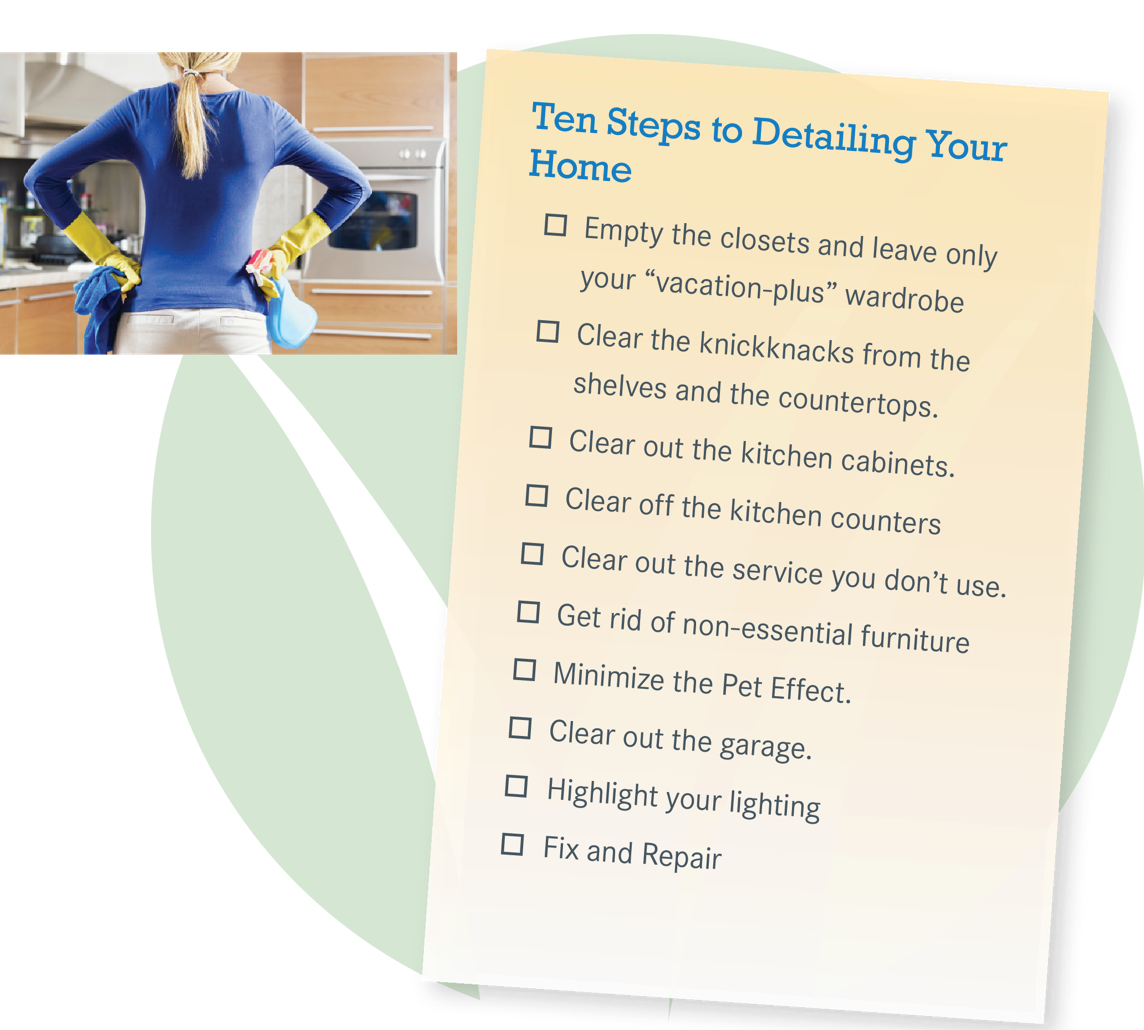 Here are some fundamental steps for clearing the clutter and detailing your home. Before you get started, consult with your agent about prioritizing what you need to do and identifying any problem areas to address.
1. Empty the closets and leave only your “vacation- plus” wardrobe
In most homes, whether for sale or not, the closets are stuffed with clothes and the closets end up looking small and insufficient. A closet that is half-full looks a lot bigger, and sends the message that the home has ample storage space. The best way to do this is to identify your “vacation-plus” wardrobe. You know how when you go on vacation for a few weeks, you pack up just your favorite clothes, the ones that look good on you and fit well? That’s the wardrobe you should keep, plus some extras that you might need for special occasions. Everything else should go in storage or to charity.
2. Clear the knickknacks from the shelves and the countertops
Over time, most of us accumulate knick-knacks that start filling up shelves and countertops. Ninety percent of your knick knacks should be put into storage. You want the shelves and countertops to be clean and neat, not bulging with mementos from years of vacations and crafts fairs. Box up the knick knacks, get rid of old magazines that no one is going to read, and box up the books that you’ve already read. You want to leave a lot of empty space, so people can imagine their own things filling the shelves and countertops.
3. Clear out the kitchen cabinets
The most cluttered room in most houses is the kitchen. Go through the cabinets and shelves, and get rid of anything that you’re not realistically going to use anytime soon: half-empty cleaning supplies, old rags, and appliances that you rarely take out. Then open up the refrigerator and throw out the old condiments, salad dressings, sauces, and spices that you’re not likely to use in the next six months. You’ll make the kitchen seem much more usable if the cabinets and refrigerator shelves seem ample and roomy. And while you’re there, take down the magnets holding papers on the refrigerator, both because it looks messy and because you don’t want visitors seeing your personal effects.
4. Clear off the kitchen counters
Once you’ve cleaned out the kitchen cabinets, get started on the counters. Hopefully, you’ve cleaned out a lot of space in the cabinets to handle the appliances that you actually use, like your blender and your toaster. Now you can store those appliances in cabinets rather than cluttering up the counter. Similarly, put away all the stuff that accumulates on kitchen counters, like flour canisters, spices, knife holders, radios, soap dishes, and sponges. Pull them out when you need them, but otherwise try to keep the counters uncluttered.
5. Clear out the service you don’t use
Most people have lots of plates and cups, many more than they ever use. Unless you plan on doing a lot of huge dinner parties while your home is on the market, you don’t need more than service for 8-10 people. Clear out all the odd-and-end coffee cups, plates, service platters, and all the other various cabinet stuffers that make your cabinets look like they don’t have enough room.
6. Get rid of non-essential furniture
An empty room looks small, which is why developers create model homes that have furniture in them. But too much furniture can make rooms seem cluttered and small. Get rid of all the extra end tables, folding chairs, bridge tables, throw pillows, and everything else that’s taking up space. You don’t want to leave a room empty, but you want your home to seem spacious and airy.
7. Minimize the pet effect
Pet accessories and odors can be a major problem for many buyers. Make sure to clean your pet bedding, or even better go out and buy some brand new bedding. If you have a cat, make sure to use deodorizing litter and to change the litter every day or so. As for clutter, try to find an out-of-the-way place to store food bowls and pet toys when the home is going to be shown.
8. Clear out the garage
Agents list a lot of homes that have a “two-car garage,” even if the homeowners haven’t put two cars in the garage at the same time in years. Over time, we tend to turn our garages into storage lockers, with boxes, bicycles, gardening equipment, and other bulky objects. No one buys a house for the garage, but it helps to demonstrate that the garage can hold two cars by actually parking two cars in it. So have a garage sale, give stuff away, or store what’s worth keeping. And don’t let the garage become the dumping ground for all the junk that’s moved from the rest of the house. Whatever is stored should go offsite. The garage should be cleared out, cleaned, and left neat and tidy.
9. Highlight your lighting
Good lighting is crucial for showing off a listing. No one walks into a home and says, “Oh, isn’t this great how dark everything is?” Sometimes, the rooms are dark because owners haven’t replaced difficult-to-reach and difficult-to-find specialty lightbulbs for ceiling lights, track lighting, or kitchen and bath lighting. If you need help finding lightbulbs, ask your agent, but you need to make sure that every room is properly and fully lit, and that every light fixture has sufficient wattage.
10. Fix and repair
If things don’t work, and they can be repaired for a reasonable price, you should fix them. This includes things like electrical outlets gone dead, fixture appliances (like dishwashers or washer-dryers) that are running poorly, lights that have died, marks on walls, or anything else that can affect the presentation of the home. We would not generally recommend making major improvements in the home, though that’s something you can discuss with your agent, but small repairs should be completed to give buyers the impression that you’ve lovingly maintained your home.
Conclusion: Keeping it up
Finally, once you have the home properly detailed, it’s important to keep it that way. We realize that it’s difficult to live in a home you’re trying to sell, because it requires you to live a little differently than normal: no more leaving dirty dishes in the sink, clothes on the floor, or kids’ toys strewn throughout the home. It’s not easy, but it’s worth it, and the better you keep the home the less time you’ll have it on the market. So try to keep the home in viewable condition all the time, or at least schedule a thorough review every week or before every showing. Every morning, wake up thinking to yourself that your potential buyer is going to see the house for the first time that day, and what can you do to give a great first impression.
What Are You Looking For?

 Your first consultation with your buyer agent is an important step in setting the right course for the rest of your home buying experience. It’s a great opportunity to share with the agent your hopes, wants, and desires about the process, and to ensure that your agent knows exactly how to best service your needs. In order to have the best possible first consultation, we encourage you to prepare for the meeting by thinking about what you want from your home buying process.
We want to give you some information about what you can do before your initial consultation with your buyer’s agent. This will ensure a more productive meeting, consistent with our overall advice to be actively engaged throughout your buying process.
At your initial consultation, your agent will ask you questions about your familiarity with the buying process, your preferences in the type of home you want, your geographic needs, and your purchasing power. We will also be asking about any particular concerns or needs you have about buying a home.
You will have a more productive meeting if you think about those questions in advance. You have no obligation to prepare ahead , but you’ll find that you’ll get more out of the meeting if you think about these issues before you’re sitting down with your agent. Moreover, this exercise will also help you get into the right frame of mind about your home search process, and help get you into the practice of being more proactive about the entire process.
Here are some of the questions you should consider before sitting down with your agent for the first time.
Why Are You Moving?
People move for all sorts of reasons, and it’s helpful for your agent to know about your particular motivations so that he or she can help prepare to get your process moving at the pace you desire.
•What’s the reason for your move?
•What’s the time frame of when you want to be in your new home?
•Have you already started looking on your own? What have you found that interests you?
Remember that buying a home can take a long time. Most of our clients spend months in just the home search process, and once you find the home that you want to purchase, you’ll likely spend three to four months more completing all the transactional work that is required to execute a contract, secure financing, and finishing all the other tasks required to get your purchase closed.
 How Well Do You Know the Home Buying Process?
 How Well Do You Know the Home Buying Process?
You should be prepared to discuss with your agent your comfort level and familiarity with the buying and financing process. This will help your agent in gauging the amount and type of information you should be getting throughout the process.
•Have you done this before, or are you otherwise familiar with the process of buying a home?
•What are your biggest concerns about buying a home?
•Are you familiar with the current state of the regional housing market?
•How comfortable are you using technology to search for a home, like on randrealty.com?
All our clients are different. Some have purchased homes recently, and know exactly what to expect. Others are first time home buyers apprehensive about what they should expect from the process. Whatever your situation, you want to make sure your agent knows what you need from us to help you fully understand the process.
 What Do You Want From Your Agent?
 What Do You Want From Your Agent?
You should think about what you’re looking for from your Better Homes and Gardens Rand Realty agent to ensure that your agent knows how to best service your needs.
•What are you looking for in an agent?
•What’s the most important quality you look for in service professionals?
•How do you want to communicate with your agent: phone, email, text, or only in-person?
•How often do you want to hear from your agent : daily, regularly, or only when new properties come onto the market?
•How often do you want to go look at properties, and are you already looking on your own?
Our goal at Better Homes and Gardens Rand Realty is to ensure that you have an outstanding home buying experience. The first step for making that happen is to know exactly how you want to be serviced, so make sure you explain to your agent what it is you want from him or her.
 How Familiar Are You With the Financing Process?
 How Familiar Are You With the Financing Process?
You should feel comfortable discussing your financial situation with your real estate agent, since all our agents are licensed professionals who are qualified to help determine your purchasing power. You should absolutely have a good sense of your purchasing power before you spend time looking at houses that might be above or below your proper price range.
•What price range do you think you qualify for, based on your income and your savings?
•How much are you comfortable spending for your monthly mortgage payment, insurance, and property taxes?
•How comfortable are you with your understanding of the financing process, which has become more complicated in the past few years?
•Have you been pre-qualified for a mortgage amount by a local mortgage consultant, or do you need to talk with a Hudson United Mortgage representative?
If you would be more comfortable discussing finances with a mortgage consultant, have your agent contact one of our Hudson United Mortgage representatives to discuss financing with you.
 What Are You Looking For in Your New Home?
 What Are You Looking For in Your New Home?
Finally, and most importantly, you should take some time to think through what you’ll looking for in your new home. Now, you might have a general idea of the kind of home you like, but you’ll be amazed at the myriad choices that you’ll have once you start looking at the properties that are available.
The list of questions below are designed to prompt you to think about all the various considerations that might go into your home purchase. Some of these questions will address issues that are unimportant to you, but some might spark you to realize that you have particularly needs and desires that you’regoing to want to satisfy in your new home. So think about each of these questions, and if they prompt some ideas then be sure to share them with your agent.
Ultimately, though, even as you go through the exercise of thinking about the kind of home you want, it’s important to keep an open mind. What a lot of home buyers find is that they end up purchasing a home that is very different from the types of homes they initially started looking for when they began the process. They start out looking in a particular town for a specific home style, but once they begin looking at what’s available they fall in love with a totally differently-styled home that is completely outside their original market area. That’s a very normal part of the process, so don’t be alarmed as your tastes evolve.
Conclusion
Your initial consultation with your Better Homes and Gardens Rand Realty agent is just the first step of your home purchasing process, but it’s an important step. It’s your first opportunity to really think through what you want from your agent, what you’re concerned about with the process, and what kind of home you’re looking for. So please take some to think about these issues before you meet with your agent, to ensure that you have the best possible first meeting and get things started on the right foot.
How to “Detail” Your Listing
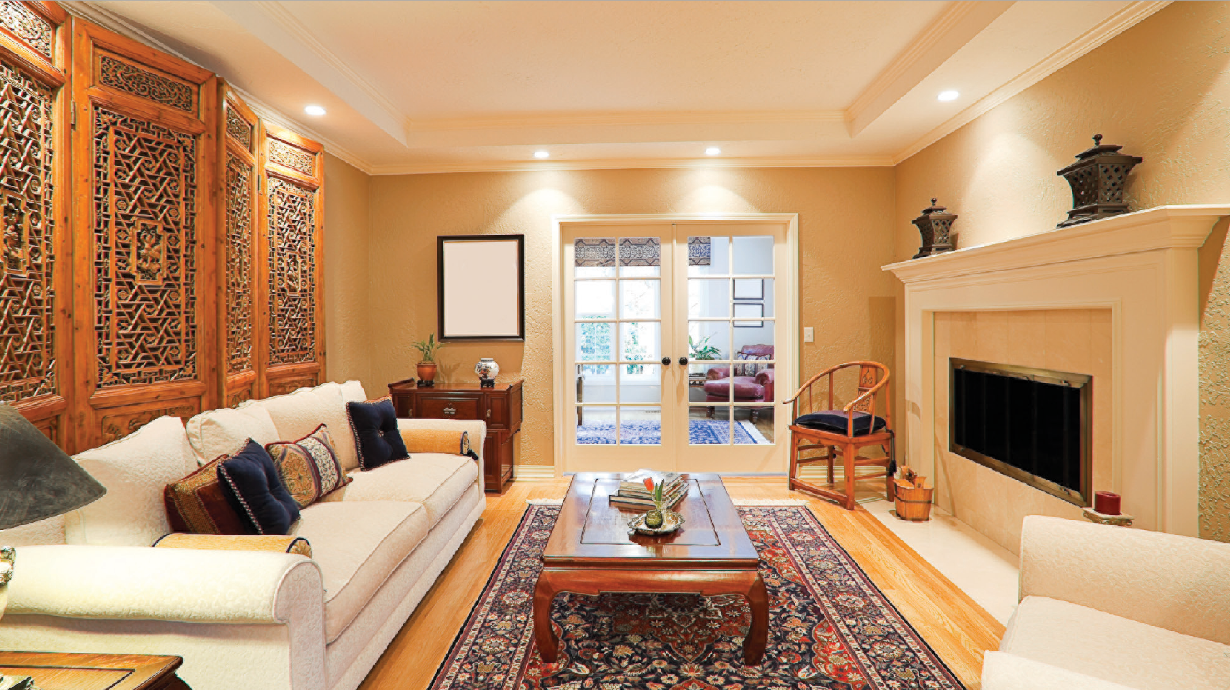 Last year, almost two-thirds of the sellers who listed a home for sale failed to find a buyer. One reason is that their homes did not “show well” to potential purchasers because sellers did not commit to making their home visually appealing. If you want to stand out in a crowded marketplace, you need to make sure you do everything possible to enhance the appeal of your home.
You would be surprised at the poor condition of most homes that are for sale. Some of them are truly atrocious, in a state of disrepair, filthy, or otherwise completely unsuitable for showings. But most are not that bad — it’s just that they simply look “lived in.” After all, most of us don’t have the energy to keep our homes in tip-top condition every day. Even if we are basically clean and neat people, we’re probably not spending every weekend scrubbing tubs, washing windows, and cleaning light fixtures. And over time, we accumulate more and more things that end up filling the cabinets, closets, and countertops of our homes.
That’s how most of us live, and there’s nothing wrong with that. But the way we live in our homes is different from the way we try to sell them. If you’re serious about selling your home, you can’t expect to impress buyers if you leave it in its “lived in” state. Instead, you need to make a commitment to enhancing its appeal so that every day it looks its best and attracts the right buyers.
Although you might not have experience preparing your home for sale, you probably have been in situations where you wanted to make a great “first impression.” When we go on first dates, we spend more time getting ready than for the average night out. When we go on job interviews, we dress a little better than the average day at the office. And when we’re selling a home, every day is an opportunity to make a first impression with our potential buyers.
How do you do it? It’s simple, and it doesn’t cost a lot of money. Think about what you do when you’re trying to sell a car. Most days, you probably drive around in a car that is not exactly in that “new car” state: you’ve got old newspapers in the back seat, coffee stains on the dash, and a trunk full of stuff you’ve accumulated over time. But when you’re ready to sell it, you take it to the car wash to get a good cleaning, maybe a wax, and then you clean the car inside and out. You throw out the old coffee cups and papers, clean out the trunk, empty out the glove compartment, wipe down the seats and the dash, and vacuum the entire interior. You might even buff out scratches or repair dings.
It’s called “detailing” a car, and most car sellers will do it because they want to get the best price for their car, and they know that if they invest just a little bit of time and money they can enhance its appeal to potential buyers.
So if that’s the case, why do so few sellers “detail” their home before they try to sell it? After all, detailing a car can only earn you an extra few hundred dollars on the resale, but detailing a home can get you thousands of dollars more in your sale price, and also a potentially quicker sale.
Professional home sellers know this. That’s why developers and investors will always set up a “model home” for potential buyers, a home that is immaculate and smartly but sparingly furnished. They want new home buyers to imagine themselves living there, and know that most buyers cannot see through clutter or messiness.
That should be your goal – to enhance your home so that it looks like a developer’s “model home.” This doesn’t mean spending a lot of money in construction costs or new appliances. Most likely, you don’t need to do major home improvements – in fact, we advise most sellers to save their money rather than do significant upgrades, because you might spend a lot of money making changes that you like, but your potential buyers don’t.
Instead, you just need to detail your home: clean it, de-clutter it, and neutralize it. If you do that, you will absolutely see a difference in the way that buyers react to your home. And as a result, you’re likely to sell your home faster, and for more money:
 1. Clean it up
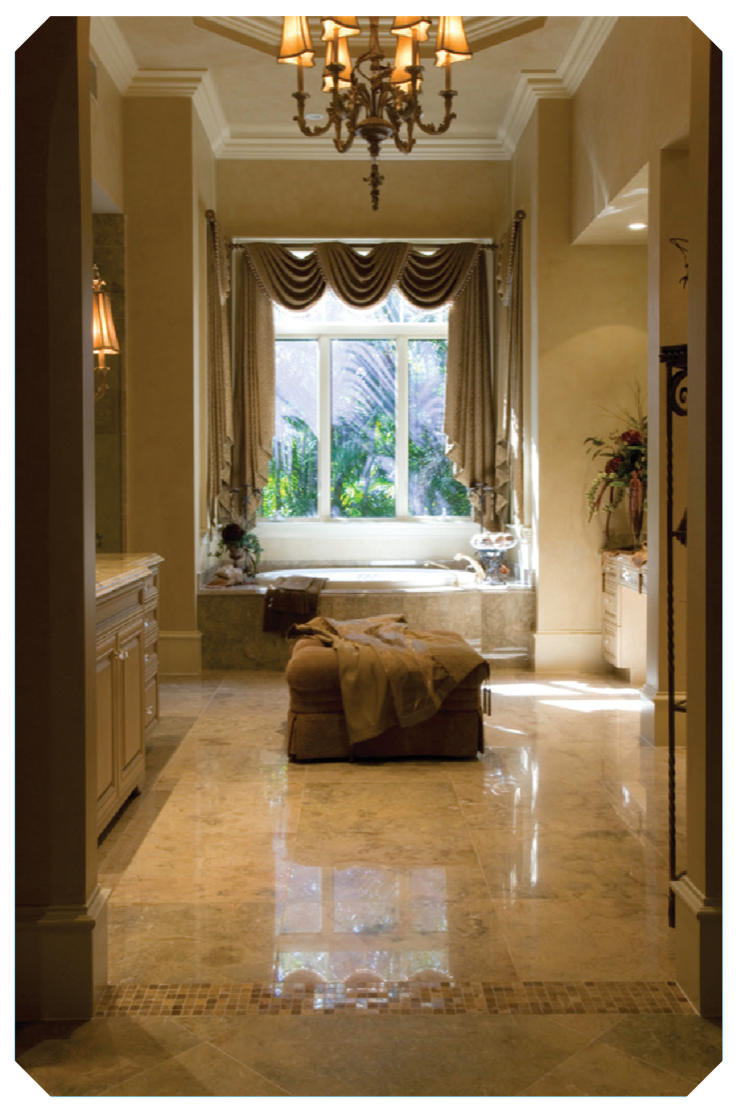 1. Clean it up
You would be shocked by how many homes for sale are not thoroughly cleaned. The owners are not even willing to make the commitment to do basic housework. But it’s tough for a buyer to fall in love with a home that has dirty dishes in the sink, smudges on the walls, cobwebs in the front entrance, or encrusted dirt in the windows. Moreover, buyers want to know that the home was lovingly maintained by the current owners, because the condition of the home is a strong indicator of how well the owners have maintained mechanical, electrical, and other systems.
So now that you’re selling the home, it’s time to do a rigorous “spring cleaning” of the home. You can do it yourself, or hire professionals to do it for you, but you need to ensure that your home sparkles to potential buyers.
2. Clear it out
Many lived-in homes are stuffed to the ceiling with too much stuff – too many clothes in the closet, too many knick-knacks on the shelves, too much food and cleaning supplies in the cabinet, and too much furniture stuffed into the rooms. Just clearing the clutter will make the rooms seem bigger, the closets and cabinets more spacious, and the home more inviting to buyers.
Think of it this way: if you’re selling your home, that means you’re eventually going to have to move. So if you’re going to be moving, why not start right now? After all, moving can be a difficult chore, but it’s much easier if you break it down into stages, the first stage being the “pre-move” in which you purge all the extra stuff you’re not going to use for the next six months while your home is on the market.
So move out everything you don’t need for the next six months: all the clothes you’re not going to wear, food you’re not going to eat, supplies you’re not going to use. Just clearing the clutter will make your home seem bigger, more open, and more appealing.
3. Neutralize it
Over the years, we collect photos and personal items that we proudly display on every shelf and wall of the house. Indeed, it’s this “personalization” that makes the home ours: family pictures, religious symbols, college pennants, our kid’s artwork. It takes all of us years to turn a house into a home.
But now that you’re selling, it’s time to turn your home back into a house (or a condo). You want potential buyers to be able to imagine living there, which is difficult if the home is too personalized. While you don’t want your house to be completely vanilla, and you want to give homeowners a sense of the happy experience that you’ve had, you also don’t want the home to be so “yours” that no one else can imagine living there.
So you need to stop thinking of your home as your home, but rather a product that you’re trying to sell. You would do the same thing when selling your car, so do it for your home.
Conclusion
Detailing your home can get you a better price in a shorter time, and can help you stand out in the crowded marketplace. If you’re willing to make the commitment of time, and small investment of money, you will see the difference in buyer impressions. Your Rand Realty agent can guide you through the process of detailing your home, and can recommend cleaning and storage professionals if you need them.
Getting Your Home On the Market

 Now that your home is on the market, we have a lot of work already completed. Your agent has put together all the listing information for the MLS, taken and uploaded pictures, written descriptions, and done everything to set up the marketing campaign for your home. Now you have some work to do as well – namely, detailing and staging your home to give you the best possible chance of making a great impression on buyers.
Now you’re on the market. You may feel that the hard part is over, since you’ve gotten all your documents signed and your agent has done all the work to get your home on the market.
Getting on the market, though, is just the start. It’s like when you go on a long car ride: the first half hour is exciting and fun, and everyone’s jabbering and listening to music and excited about the trip. And the end of the trip is exciting and fun, because you finally made it and the trip is over.
But that part in the middle? Not fun. That’s the part where everyone gets bored and starts to nod off, except hopefully the driver, and eventually you start hearing the refrain “are we there yet???”
Selling a home is the same way.
You get keyed up in the beginning, because you’ve finally made the decision to sell, signed agreements, and you’re excited about getting the home sold. And you’ll be energized at the closing too, because the whole process will be over, and you’ll be eager to start the next part of your life.
But that part in the middle? Not fun. That’s the part where you have to do some work getting the place into showing condition, and then keeping it that way so that you’re prepared for last-minute buyer appointments. That’s the part where you have to endure constant showings, allowing buyers and their agents to traipse through your home. That’s the part where you have to keep on top of what’s happening in the market, so that you can respond to any changing conditions. And just like the long car ride, you’ll start to get impatient if you don’t get an immediate offer, which does not actually happen very often. Instead of “Are we there yet?,” you’ll be asking your agent “Do we have offers yet?” It’s not easy. So be prepared.
What’s your agent doing at this point in the process? Your agent might be scheduling broker or public open houses, sending out direct mail or email campaigns, or engaging in other marketing activities. Your agent should also be sending you weekly email updates on what’s happening with the market and an analysis of the impact of our online marketing campaign. And your agent might be coordinating showings, getting feedback, and hopefully fielding and discussing offers with you.
So what should you be doing during this time? Essentially, your role right now is to be the custodian and manager of this property that you are trying to sell. You’re the one on site every day, not the agent, so you should keep an eye out to make sure that the property stays in the same great shape it was on the first day it hit the market. You should also be staying in consistent contact with your agent, and reading your weekly email updates so you can track what’s happening in the market.
Conclusion: Staying Positive
Being on the market can be a very difficult time, so we want you to be prepared for it. Despite your agent’s and your best efforts, you might not get a lot of showings, which is depressing. Or you might get lots of showings, which is exciting but exhausting with all the cleaning up, the strange people in your house, and the forced conversations. No one knows how long you will be on the market. Homes with professional, active agents that are priced right and look great still sometimes sit for longer than the sellers would like.
With that in mind, this Orientation Guide is all about trying to give you the best chance possible to get your home sold quickly, and the best experience possible during the occasionally anxious and stressful time that you’re on the market.
Getting Ready for the Market

 Today’s instant information age requires that we have all the marketing preparation completed before your listing hits the market. It also means that you have to move quickly to get your home prepared for sale.
Before the internet age, getting a listing on the market was a simple thing. The agent would get the disclosures and agreement signed, fill out a few forms, and drop them off to the Multiple Listing Service (MLS) by the next day. Then the MLS would take all the new listing information that came in and print them up on index cards and sheets, then mail them to participating brokers. The whole process took about a week from the time that you signed an agreement before any brokers actually knew your home was for sale.
Today, properly marketing a home for sale requires an enormous amount of preparation before we even submit the listing to MLS. In an age of digital information, the minute that your listing hits the market, hundreds of buyers with saved searches are going to get emails about it, thousands of buyer agents
are going to see it pop up when they log into their MLS systems, and all the pictures, descriptions, and information will instantaneously appear on hundreds of real estate and media websites. Your home will get enormous amounts of attention in the first week you are on the market, so it’s important to get things done right at the start.
What Your Agent Is Doing
Your agent has an enormous amount of work to do right away to make sure that your home is properly prepared for marketing with pictures, descriptions, showing instructions, and everything else that needs to be done.
Here’s just a sample of all the items that are on the Client-Oriented Real Estate New Seller Project Plan:
•Making sure the property information is properly submitted to the MLS.
•Ordering signs, ordering a lockbox, writing up showing instructions, and writing broker remarks.
•Checking the correct tax information in the local municipality.
•Writing up a property description for third party websites, and a longer enhanced description for RandRealty. com, Realtor.com, Zillow, and some other sites.
•Scheduling with you to take pictures, download them, review them, crop and edit them, and then upload them to the MLS and enhanced photos for RandReal ty.com and other sites.
•Setting up marketing mailing lists for buyers who might be interested in the property.
•Submitting the listing for BHG Rand’s internal “new listing hotsheet.”
•Confirming that you are enrolled for your weekly email marketing updates.
So your agent has a lot of work to do to make sure your listing is ready to hit the MLS and the websites with beautiful pictures, full descriptions, and accurate information. We want to hit the ground running.
What You Can Do
Similarly, if buyer agents are going to find out that your listing is for sale right away, you have some things you need to do as well. As you know, our philosophy is that sellers should be proactively engaged in the sale of their home, because there are some things that their agent simply cannot do for them.
What can you do to help get your home sold now? You can spend some time, energy, and a little bit of money getting your home prepared for sale through detailing, cleaning, and staging. Your agent can go through a comprehensive checklist of items that should be done so that your home makes an amazing
impression on buyers, and help you along in the process, but it’s really up to you.
Below, we cover all the things that you can do to maximize the appeal of your home to potential buyers. Specifically, we’ll address the concept of detailing your home like you detail a car, cleaning up your home so that it looks like a developer’s model home, and then a little about the art of staging. In Stage Two of the Orientation Guide, we will be covering all the things that you can to maximize the appeal and availability of your home to potential buyers. Specifically, we’ll address the concept of “detailing” your home like you would prepare your car if you were selling it, and also the idea of “staging” your home to make the maximum impact at showings. We’ll also discuss how you can keep your home in showing condition, and how to stay abreast of any changing market conditions. So make sure your agent provides you with Stage Two once you’ve completed the consultation process.
Trading Up and Downsizing: What to Know if You Are Both Buying and Selling in a Buyer’s Market

 Many of our sellers are also our buyers, because they’re moving from one place in our area to another. If that’s the case, you probably have questions about whether this is the right time to “trade up” or “downsize,” and about when you start looking for a new home during your selling process.
People always ask real estate agents how the market is doing. The answer is simple – it depends. That’s because your view of whether the market is “good”or “bad” depends on your individual circumstances. In a seller’s market where inventory is low, demand is high, and prices are going up, the market is “good” if you are a seller. In a buyer’s market, where inventory is high, demand is low, and prices are going down, the market is “good” if you are a buyer.
That all makes sense if you are going to be only selling or only buying in a particular market. If you are only selling in a seller’s market (maybe because you’re going to be renting, or you are combining households), then you do well in a seller’s market because you get to take advantage of the high prices without worrying about having to buy something new. And if you only buying in a buyer’s market, such as a first-time home buyer with nothing to sell, you get a home for a relative bargain.
But what if you are both selling and buying in the same market? After all, you have to live somewhere. If you’re in that position, then the market is really just “neutral.” In a seller ‘s market, you do well on your sale, but you’re going to pay a lot for your purchase. In a buyer’s market, you don’t do as well on your sale, but you’ll get a relative bargain on the home you buy. So it doesn’t really matter whether you’re in a seller’s or buyer’s market when you’re both buying and selling a home. You either sell and buy at a higher price, or at a lower price.
Now, what does that all mean when we’re in the environment that we see this year, when we’re clearly in a buyer’s market?
First, if you are “trading up,” you’re much better off in the buyer’s market today than you would have been in the seller’s market a few years ago.
The reason is simple: if you are going to be buying a new home in a higher price range, you are better off when prices are low overall. Let’s say that you were thinking of trading up in the seller’s market of a few years ago, when your home was worth $400,000 and the home you wanted to buy was worth $600,000. Since then, of course, prices have declined about 25% throughout the region, so your home is now worth $300,000 and the home you’re buying is now worth $450,000. So although prices have declined 25% across the board, the spread between the house you’re selling and the one you’re buying has declined from $200,000 to $150,000, saving you $50,000 to move from one house to another.
Moreover, real estate professionals know that in a buyer’s market, the largest declines actually happen in the higher-end markets, particularly in the market over the past five years. So people trading up might be trading from an environment with a 25% decline into an environment with a 30-35% decline.
Second, if you are downsizing, you are likely to still come out ahead in a buyer’s market if you are downsizing into a new area of the country.
Homeowners who are downsizing will not get the advantage that move-up buyers get in the spread between their sale and their purchase, but many of them will get an advantage because they are moving to areas of the country that have seen far more than a 25-30% decline in prices. Many of our downsizing buyers are selling their expansive homes in our region in order to keep a small home in the area and purchase a retirement home in a warmer climate.
If that’s the case, then those downsizing buyers are coming out way ahead by downsizing in this buyer’s market than if they had downsized a few years ago. Prices in retirement areas are down by as much as 50% from their heights in the seller’s market, whereas our local prices are down by half that. So if you are selling north and buying south, you are much better off now than in the seller’s market. Indeed, you might have better bargains now than at any time in the past 15 years.
Third, if you are going to be both selling and buying, make sure to get your home on the market first.
It can take a fairly long time in this market to complete a sale, so you definitely want to get your home listed and reasonably priced to the market before you start shopping for a new home. You don’t want to be in a situation where you find the perfect home, but then lose it because you haven’t sold your current home yet. While you can always ask the seller of your new home to give you a contingency that will allow you to get out of the contract if your home doesn’t sell, most sellers won’t consider that (the same way you probably wouldn’t consider it).
That said, you should certainly start watching the market. We would not recommend you actually go out and look at properties to buy, because that can be a frustrating experience if you’re not yet sold. But you should definitely start keeping track of the market you’re looking to move into, so that you can watch how long properties stay on the market, keep an eye on some likely candidates, and see what’s selling and for how much.
Finally, if you are moving out of the area, you should let us help you.
We have a network of specialists through our affiliation with Cartus, the largest relocation company in the world, and can help ensure you get a great agent to help you on your purchase. You’re much better off working with Cartus than choosing an agent on your own, because Cartus relocation specialists are bound by strict standards of professionalism and service excellence. Just let your agent know that you’re moving out of the area and need a professional real estate agent to help you find a new home.
Property Marketing Solutions

New challenges require new solutions. In a more competitive and complex marketplace, with more homes on the market than ever before, the old ways are not enough. That’s why we have put an innovative stamp on traditional marketing to help you stand out and reach today’s more sophisticated and demanding buyers. Our “new solutions” marketing campaign is designed to accomplish three goals: (1) attract the largest possible number of buyers, (2) engage those buyers with appealing displays of your home’s best features, and (3) convert those buyers into action.
 Social Media: The New Networking Frontier
 Social Media: The New Networking Frontier
 As the rise of social media changes the way that people communicate, we’ve adapted our marketing campaign. All our agents have access to social media marketing training, and all our listings are searchable on Facebook, the leading social media site in the world. Through Facebook, we have created a social network involving hundreds of our agents and thousands of people throughout the region.
 Internet Advertising: The Most Relevant Websites
 Internet Advertising: The Most Relevant Websites
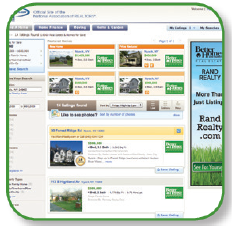
 Because your buyer could be anywhere in the world, we advertise your home on real estate websites reaching millions of consumers.
 Mobile Platforms: For All Mobile Devices
 Mobile Platforms: For All Mobile Devices
 People are increasingly searching the internet on their phones rather than their computers, so we have optimized RandRealty.com to work on every major smart phone platform, including Android and iPhone. We also advertise our properties on the two most important mobile platforms for our clients: the iPhone apps for Zillow and Realtor. com.
 Industry Networking: The Best Connections
 Industry Networking: The Best Connections
 As the world gets smaller, it’s even more important to have the right connections. Your buyer could be anywhere in the world, so we are part of the largest real estate networks available in the industry.
 Media Advertising: Local News Sites
 Media Advertising: Local News Sites
 As the internet has revolutionized the media industry, buyers increasingly get their news on their computers or mobile phones. Our media campaign reaches those buyers, with special partnerships with local news outlets.
Targeted Direct Mail: Still Effective
Real estate brokers have been using direct mail to market properties for years, but our New Solutions Marketing Campaign takes direct mail to a new level. We can identify potential buyers for your home not just by location but by demographics.
 Agent Marketing
 Agent Marketing
 Finally, your marketing campaign will be orchestrated by your Rand Realty professional agent, who will build on the company’s marketing campaign and add the personal touch. Our agents have access to an astounding array of tools and resources to help sell your home, everything from market analysis to property flyers to a personal website that will feature your home. Your agent will discuss some of these personal touches at your initial consultation.
Pricing Your Home to Sell

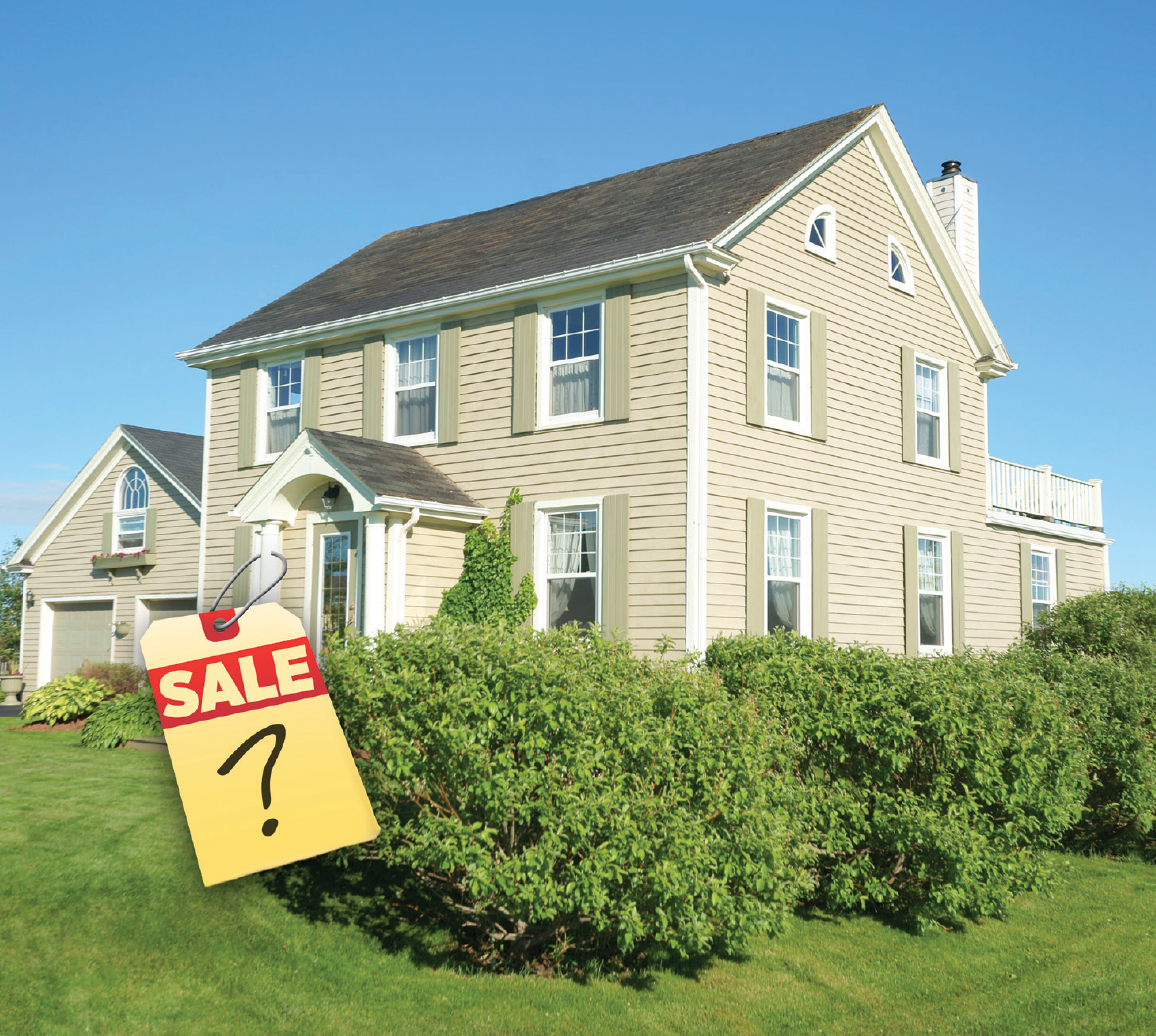 Our goal at Rand Realty is to help you sell your home for he best price possible. We are going to do everything we can to maximize the value of your home, utilizing comprehensive and rigorous marketing campaigns, our industry knowledge on how to enhance the “appeal” of your home, and our professional negotiating skills. But the first step in ensuring that you get your home sold is seeing the initial price of the home competitively in your market.
Understanding Pricing
We know that clients are concerned that some agents deliberately underprice a home to get a quick sale, or overprice a home to lure optimistic and unsuspecting sellers into signing a listing agreement. That’s why we want you to be completely engaged in the process of identifying the best, most competitive price for your home.
Ultimately, of course, the market is going to decide the selling price of your home. We don’t set the price. You don’t set the price. The market is going to set the price. If you price it too high, buyers will ignore your listing, and you’ll eventually drop your price to the market price. If you price it too low, buyers will spring into action, compete with each other, and drive the price to the market price.
The first step is to make sure you get a good “read” on the market. This is where a skilled agent can make a difference, not by telling you what the price should be, but by helping you understand what the market is telling you. A real estate agent is like a meteorologist – we don’t set the weather, but we can help you analyze the market to make a more informed decision on the best price for your home.
The Comparative Market Analysis (CMA)
When you meet with your agent, you’ll receive a comprehensive “Comparative Market Analysis” that will identify certain similar sold, and unsold, properties to help you determine a price. Don’t take the term “comparable” literally – it just means that the agent is following a standard methodology in identifying properties that buyers and appraisers are going to use to value your home. Comparable properties are generally identified by the following three elements, in descending order of importance:
•Location. This is by far the most important criteria: the town or village where your home is located. We all know that the standard joke in real estate is that the three most important variables are “location, location, location,” but it represents a fundamental truth. Two identical homes on identical lots will sell for vastly different prices depending on their town or village. Your agent uses location as a starting point for choosing comparable properties. If such sales are not available in your local area, your agent will expand the search, but homes outside your local area can be less helpful in identifying a competitive price for your home.
•Size. After location, size is the most important determinant of price. A home with more square footage, or more bedrooms, is generally going to sell for more than a smaller home. Indeed, in the Hudson Valley, Westchester, and Northern New Jersey we have identified what we call the 10/20 rule: only 10% of the homes in a given town sell for more than 20% above the average price per square foot for similar properties in that town. Once location and square footage are determined, we have a fairly accurate and reliable range for selecting comparable properties and pricing your home.
•Style. Style refers to the type of home: colonial, tudor, cape, raised ranch, etc. Although the style of the home is not going to affect price nearly as much as location and size, the style is helpful for choosing comparable properties. If possible, given the market conditions, your agent will try to use comparables that have similar styles.
Evaluating Your CMA
We want you to be engaged in the pricing process. Your agent’s job is to present you with all the information you need, and guide you through understanding it. So when you get your CMA, examine it carefully.
First, not all comparables are equal. In most cases, your agent will be able to provide you with a full range of comparable sales that can help guide you in the pricing process. This gives the clearest guidance in situations where you have a lot of recent sales of comparable properties in your area. For example, some neighborhood developments (and especially condominium buildings) provide clear pricing guidance, since you will usually find a lot of recent sales involving homes of similar size, style, and even layouts. Other homes create challenges, because they are either in areas or price ranges that are not particularly active. In these cases, your agent may have to expand the search to include comparables from other areas to provide pricing guidance. This could make the pricing process a little more complicated.
Second, focus on sold properties, not unsold properties. Anyone can put a property on the market for whatever price they want, that doesn’t mean it’s actually going to sell. The key when pricing your home is to look at the comparable sales – homes that have actually sold in the current market. Buyers have access to the same information you do, and can be just as well-informed, so they’re going to know about recent sales and are going to base their valuation of your home on those sales. Moreover, when you get into contract, your buyer’s lender is going to conduct an appraisal of the property, basing its valuation on those sold properties. So when you’re pricing a home, focus on the sold properties to set a price, and treat the “active listings” (i.e., the unsold properties) as the competition for buyer attention in your market.
Third, use location, size, and style to set a price range, and then narrow down the specifics. Pricing is a little bit science and a little bit art. The science establishes a general price range using the comparable properties identified by location, size, and style. Once you’ve got that range, pricing becomes more of an art, because you need to make more nuanced comparisons to the comparable properties to figure out the proper price within that range. Essentially, you’ll compare your home against the comparable sales (and the unsold competition) on the criteria that can have a significant effect on pricing, such as:
•Condition: whether the property is in good physical and mechanical condition.
•Amenities: features such as hardwood floors, updated kitchens, updated bathrooms and bedrooms, pools, fireplaces, landscaping, etc.
•Taxes: whether the property taxes of the comps are higher or lower than your taxes.
•Lot size: although interior square footage is a much more significant determinant of price, differences in the exterior lot size will factor into the price.
•Local environment: issues such as neighborhood appearance, power lines, or traffic flow all affect pricing within the range.
•Appeal: the extent to which the seller has prepared the property for showings through detailing and staging.
Keep in mind that criteria such as condition, amenities, and the like can affect pricing, but only within the range set by the comparables. Remember the 10/20 rule: only 10% of homes sell for more than 20% above the average price per square foot for similar homes in your area.
Conclusion: How We Can Help
It’s important for you to understand the process, and to be involved in helping set a competitive price for your home. Ultimately, it’s our job to help you get the best price possible, and we will use every resource we have to maximize your home’s value:
•Appeal: we will guide you through enhancing your home’s value through professional detailing and staging.
•Marketing: we will rigorously market your home through our online and offline marketing campaign.
•Exposure: we will expose your home to the largest buyer market possible, through online advertising of your listing, personal marketing, and direct mail.
•Availability: we will work with you to ensure that the property is available for showings whenever possible.
•Communication: we will keep you informed on what we’re doing and on market changes that might impact your home’s value.
•Negotiating: we will use our negotiating skills to help drive the best possible price.
We hope you find this helpful, and we look forward to working with you.